
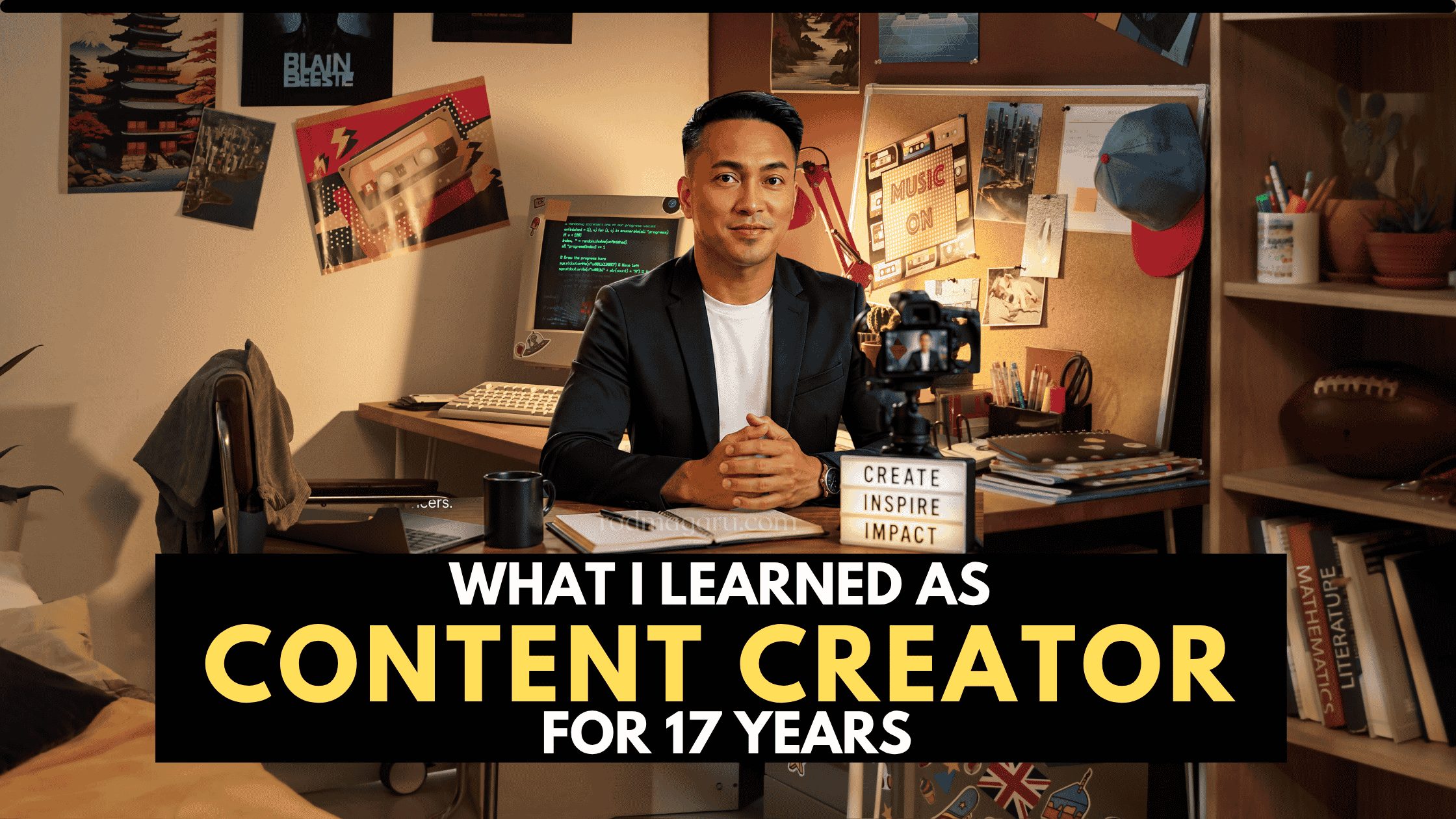
Content creation has become a legitimate career, but succeeding in the industry requires more than followers, viral posts, and expensive equipment. After 17 years in content creation, I’ve seen platforms rise, disappear, and completely change. Through all those changes, I’ve learned that longevity comes down to credibility, consistency, adaptability, and the community you build.
How Do Content Creators Make Money?
Content creators can earn through brand collaborations, sponsored content, advertisements, affiliate marketing, platform monetization, events, ambassadorships, consulting, and producing content for brands. Because I started with blogging, I learned early not to depend on just one platform or income source. Social media algorithms can change anytime, so having different income streams—and something you own, such as a website—is valuable.
But becoming a content creator doesn’t automatically mean earning money. You first have to build an audience and establish credibility.
Do You Need Thousands of Followers?
No. A large following helps, but brands now look beyond follower count.
A creator with 500,000 followers but little engagement isn’t necessarily more influential than someone with 10,000 followers who has built a highly engaged niche community. Brands want to know whether people trust you. Do they comment, share, click, or act on your recommendations? For me, the quality of your audience matters just as much as its size.
Which Platform Is Best for Content Creators?
Every platform has a different strength.
YouTube works well for long-form content and monetization. TikTok is powerful for discovery and virality. Instagram remains strong for lifestyle, travel, fashion, food, and brand partnerships, while Facebook offers tremendous reach among Filipino audiences. X is particularly useful for real-time conversations, entertainment, news, and trending topics. Blogging offers something different. Searchable articles can continue attracting readers long after they’re published. Instead of relying on one platform, understand what each one does best and use it strategically.
Do You Need Expensive Equipment?
No. A great content idea matters more than an expensive camera.
We’ve seen videos filmed on ordinary phones reach millions because they’re funny, informative, emotional, useful, or interesting. Start with what you have. Learn framing, lighting, editing, and storytelling. Once you’re earning and understand what equipment you actually need, then invest. Don’t spend ₱100,000 because you think that’s the entrance fee to becoming a creator.
Creativity first. Equipment follows.
What Content Works Today?
Short-form video remains powerful, but audiences are becoming more selective. People increasingly want authenticity, useful information, genuine opinions, and experiences that don’t sound like they came directly from a press release. Travel, food, personal finance, wellness, entertainment, technology, and niche communities continue to attract audiences.
But after 17 years, one thing I’ve learned is not to build your entire identity around trends. Trends expire. Participate in them, but build a style and identity people can eventually recognize even without seeing your username.
How Do Brands Choose Creators?
Brands consider engagement, audience demographics, niche, content quality, consistency, and credibility—but professionalism matters too. Agencies remember whether you communicated properly, attended events you confirmed, submitted deliverables on time, followed briefs, and created thoughtful content. Sometimes your next campaign doesn’t come from going viral. It comes because someone at an agency says, “We’ve worked with this creator before. They’re reliable.”
That reputation takes years to build.
What Should You Know About Brand Collaborations?
Treat content creation like a profession. Read contracts, understand your deliverables and deadlines, clarify content usage rights, and know when and how you’ll be paid. Don’t accept every collaboration simply because there’s money involved. Ask whether the brand genuinely makes sense for you and your audience.Credibility takes years to build but can disappear very quickly.
What Mistakes Should New Creators Avoid?
Don’t obsess over likes and views or expect every post to go viral. Don’t copy successful creators so closely that you never develop your own identity. And don’t accept every brand offer without considering whether it fits your audience. Most importantly, don’t give up too quickly. You can’t upload ten videos and decide content creation isn’t for you. Building an audience takes time.I didn’t spend 17 years creating content because everything I published succeeded. You stay because you learn, adjust, and continue.
What Is the Best Advice for Aspiring Creators?
Start.
Don’t wait for the perfect camera, body, voice, room, concept, or follower count. Start with something you know and genuinely enjoy talking about. But if you want content creation to become a career, treat it as work. Platforms will change. Algorithms will change. Trends will disappear. New creators will arrive every day. That’s why you need something deeper than wanting to become famous.
After 17 years, I’ve learned that one viral post isn’t what keeps you in this industry. It’s your credibility, relationships, adaptability, consistency, and the community you’ve built. You don’t need to become the biggest creator.
Become a creator people remember and trust.

0 Comments